Quercetin
Arbor County Home
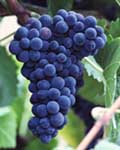 For many years, it has been recognized that people who drink red wine live longer, healthier lives. Did
you ever wonder why? The substance responsible is called quercetin (pronounced Kwair' suh tenn). Quercetin,
an antioxidant found in many fruits and vegetables (such as grapes, strawberries, and onions), is a potent
flavonoid (also called "bioflavonoid,"), a substance that helps to protect against cancer, and in the case
of quercetin, also fights viruses, bacterial infections, and fungus. Quercetin absorption is maximized by
combining it with bromelain, a pineapple extract proven to enhance digestion of nutrients.
For many years, it has been recognized that people who drink red wine live longer, healthier lives. Did
you ever wonder why? The substance responsible is called quercetin (pronounced Kwair' suh tenn). Quercetin,
an antioxidant found in many fruits and vegetables (such as grapes, strawberries, and onions), is a potent
flavonoid (also called "bioflavonoid,"), a substance that helps to protect against cancer, and in the case
of quercetin, also fights viruses, bacterial infections, and fungus. Quercetin absorption is maximized by
combining it with bromelain, a pineapple extract proven to enhance digestion of nutrients.

Quercetin and Cancer. Quercetin is a cytotoxin (agent that kills infection), and kills HeLa (cancerous) cells, according to this article at the National Library of Medicine. Quercetin inhibits the replication of cancer cells according an American Medical Association (AMA) article (previously at http://www.ama-assn.org/ama1/pub/upload/mm/15/i04_abstract_cancer.pdf, but moved to a pay-per-view area in 2007). Quercetin has been studied by the Cleveland Clinic and many other reputable clinics, hospitals, universities, and labs. Findings have been similar: Quercetin, a potent antioxidant, is chemically attracted to damaged cells, bonding to them and rendering them harmless, thereby inhibiting the replication of damaged, diseased cells. Quercetin and Infection (bacterial or viral). Quercetin kills infection (bacteria, virus, and fungus) according to The Oxford Journals (Journal of Antimicrobial Chemotherapy (2003) 52, 194-198 c 2003 The British Society for Antimicrobial Chemotherapy). Quercetin and Osteoporosis. Quercetin promotes bone density, according to Wattel et al in Biochem Pharmacol 65:35-42 (2003). Quercetin and Prostate Cancer. Quercetin is used in the treatment and prevention of prostate cancer and chronic prostatitis ("The Chronic Prostatitis Clinic"). According to Mount Sinai Hospital in Toronto, quercetin is an effective remedy for chronic prostatitis. The study shows symptoms begin to disappear after a few months of daily use. Quercetin and Heart Disease. This study published by The American Society for Pharmacology based on research performed at the University of Tokushima School of Medicine in Japan shows that quercetin may be useful in treating cardiovascular diseases. 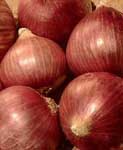
Quercetin and Allergies. When taken in combination with Vitamin C, quercetin acts as a natural antihistamine that reduces or eliminates allergic reactions (and asthma) without the drowsiness and other side effects produced by chemical antihistamines. This antihistaminic response also inhibits fungus proliferation. Quercetin Helps Prevent Kidney and Bladder Disease. Quercetin successfully helped to prevent kidney damage caused by immune suppressants (necessary with organ transplants) in an article by Biochem Pharmacol: Middleton E Jr, et al. Effects of flavonoids on immune and inflammatory cell functions. Biochem Pharmacol 1992 Mar 17; 43(6):1167-79. Additionally, quercetin has been successfully used to treat interstitial cystitis (chronic bladder irritation), according to a UCLA Medical Center article. Quercetin Helps Prevent Senility. According to an article (previously for free at http://optimalhealthrsq.com/statins.pdf, but later moved to a pay-per-view area) called the "Wellness Report" by Russell Blaylock, MD, a neurosurgeon, quercetin helps to prevent hardening of the arteries which causes senility and other devastating physical problems. The article states that quercetin does this by preventing cholesterol from oxidizing, thereby rendering the cholesterol harmless and unable to cause arterial damage and hardening. Where Does Our Quercetin Come From? Our quercetin is non-allergenic, because it does not contain any protein allergins. It is extracted from the fragrant Asian flower called the sophora. The sophora is a beautiful yellow flower that has been used in Japanese and Chinese medicine since ancient times. |